
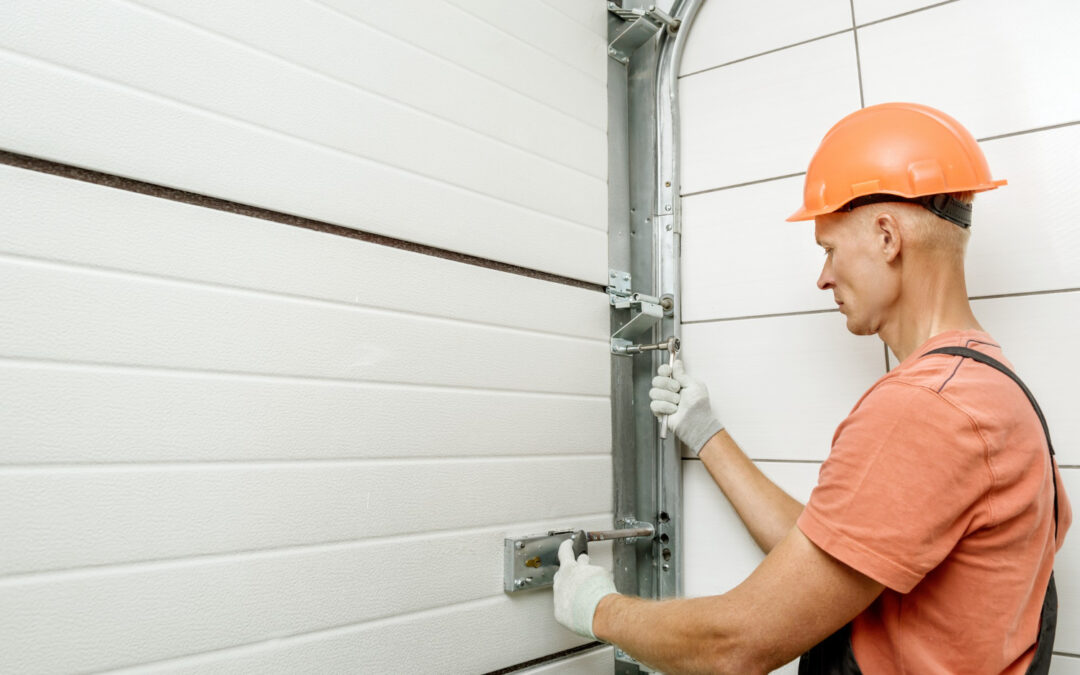
Getting a garage door installation done right takes more than just showing up with a new door. A smooth install starts with knowing what to expect, what to look out for, and how to prepare. The more you plan ahead, the fewer problems you’ll face later on. Whether you’re replacing an older model or setting up a system for a new build, small steps at the beginning make a big difference down the line.
For homeowners across Langley, Surrey, and Vancouver, late February is the perfect time to think about upgrades that beat the spring rush. Snow and rain might still be around, but this transitional time offers just enough of a dry window to get things started. Planning now helps avoid delays when the busy season hits and gives your house a useful head start into spring.
Planning Before the Install
Before we lift a single panel or attach a track, it’s worth taking time to set things up correctly. When we prepare the space and know what we need, the process flows better.
• Start with how you use your garage. Is it mainly for parking, storage, or getting in and out of the house? This affects the type of door you want.
• Materials also matter. With the colder and wetter days that linger late into February and early March in Greater Vancouver, heavier insulated doors tend to hold up better and help keep out moisture.
• You’ll also want to give the installer room to work. Clear out boxes, tools, or vehicles from inside, and make sure the driveway is easy to access. Removing anything hanging from the ceiling, like bikes or lights, can prevent delays.
It’s easy to underestimate how much time simple prep saves. Proper space and clear expectations help everyone stay safe, and it keeps the job on track.
The planning stage is your chance to look at access points too. Think about whether the current pathway to the garage is smooth for moving panels in and out. If snow has piled up or ice covers part of the driveway, clearing it early makes everything quicker on install day. Checking lighting in the garage, especially if the install happens in the late afternoon, also helps since the days are still short this time of year. Making sure there’s a clear spot to put delivered parts means nothing gets wet or damaged if it rains while the door is waiting for installation.
Checking Door Size and Fit
Measurements are not something to guess. Every garage is a little different, especially in older homes where the framing can shift or settle over time. Getting the size right means the door works smoothly and lasts longer.
• Measure the width and height of the opening, but don’t forget to check side clearance and headroom above.
• Sometimes older homes don’t leave a lot of extra space, so planning for the right size can avoid headaches later.
• The opener and track system also need to match the door’s weight and size. A mismatch here makes the motor strain and the door wear down faster.
This step is all about attention to detail. A little caution now prevents gaps, jams, or doors that feel just a bit too tight on the frame.
If you already have a door in place, checking the current hardware for rust, bends, or other wear can also point out areas that may need repair. Sometimes, when a frame isn’t perfectly square, the installer can suggest the best adjustments before the install begins. If you’ve changed the interior layout of the garage, such as adding a storage shelf or new lighting close to the doorpath, reconsider the measurements to ensure these changes won’t lead to conflicts once the new door is mounted. It’s better to spot these issues while there’s still a chance to tweak designs or swap hardware instead of dealing with a last-minute modification.
Look for obstructions overhead as well. Low-hanging pipes, exposed wiring, or heating ducts may interfere with a standard track setup. If you see anything that might get in the way, point this out to the installer so they can have the correct tools or alternate track systems ready. This is especially true in older Vancouver-area properties where old fixtures and additions can turn a simple job into a more complicated one.
Installing the New Door Hardware
Once the space is clear and the size is confirmed, the install work begins. Many parts come together here, and each needs to connect properly in order to support the door’s weight and movement.
1. Rollers, hinges, and brackets are attached first before the actual door panels go in. Each one needs to line up to maintain balance.
2. Tracks get installed along the ceiling and sides, with careful checks that they’re level and smooth. Misaligned tracks are a common reason doors jam or wobble.
3. In our area, installers also test torsion spring tension carefully before finishing. Even in Vancouver’s milder winters, moisture and daily use add strain on springs if they’re not set right.
A garage door moves several times a day. If anything is loose or off-centre, it only gets worse with time. A step-by-step approach here keeps everything running quieter and smarter.
Proper installation also means checking all the nuts and bolts after the initial assembly. During late winter, cold metal can contract, making it even more important to ensure everything is tightened correctly on the first try. If you hear rattling or notice odd squeaks after the first test, let the installer know. Sometimes, a quick adjustment to a bracket or roller can solve what might turn into a bigger problem if ignored.
Taking care of finishing touches, like aligning the weather-trim or adding protective covers to exposed bolts, also keeps your garage looking good and protects moving parts from moisture that can sneak in during rainy days. These finishing details help the door resist the seasonal conditions common in Surrey and Langley.
Final Checks and Safety Features
Safety checks take place near the end of the process but are just as important as anything else. Once the door is installed, we go over each part that affects how it behaves when no one is looking.
• Sensors are tested by placing something in their path to make sure the door stops and rolls back up.
• Weatherstripping gets added to seal edges and keep wet air or wind from creeping in. This is especially helpful in late winter when heavy rain is common in Langley and surrounding areas.
• Remotes, wall buttons, and keypads are programmed, and we give a quick walkthrough on how they work. Backup battery openers are checked where they apply.
It’s not just about making sure it opens and closes. It’s about making sure it does that safely every single time, no matter who is using it.
During this stage, we also remind you to check outside lighting and motion sensors near the garage entrance, especially in areas that might be darker during the early evening hours. Good visibility at all entries can lower the risk of accidents. This is also the right time to talk about routine checks you can do through spring, like wiping down sensor lenses or listening for changes in door movement. Spotting irregularities early means less chance of something small causing delays or issues down the line.
If your opener connects to a smart home system, we’ll verify the wireless setup so you’re not left figuring things out alone. Making sure backup power sources, like batteries or manual releases, are ready keeps you covered if a storm or outage happens before spring’s milder weather sets in.
Last Look: A Door That’s Set for Spring
Getting a garage door installed isn’t just about putting up a panel. It’s about knowing your space, picking the right fit, and setting up something that keeps working long after the job is done. From clearing out the old gear to fine-tuning tracks and sensors, each step helps the next one go smoother.
At this point in winter, Vancouver’s tough mix of damp ground and temperature swings can expose weak spots in old systems. A solid install now means fewer last-minute fixes when spring rains hit. Whether you use your garage for everyday parking or weekend storage runs, these simple steps make sure your new door holds up without any surprises.
Planning upgrades in Langley, Surrey, or Vancouver is a smart move during the last few weeks of winter, before your spring schedule fills up. A safe, clean install starts with the right door, proper fit, and features that suit how you use your space every day. We’ve seen firsthand how much smoother things run when local homes have the right type of garage door installation. At The Door Ace, we’re here to make sure everything is well prepared from start to finish, so give us a call when you’re ready to get started.