
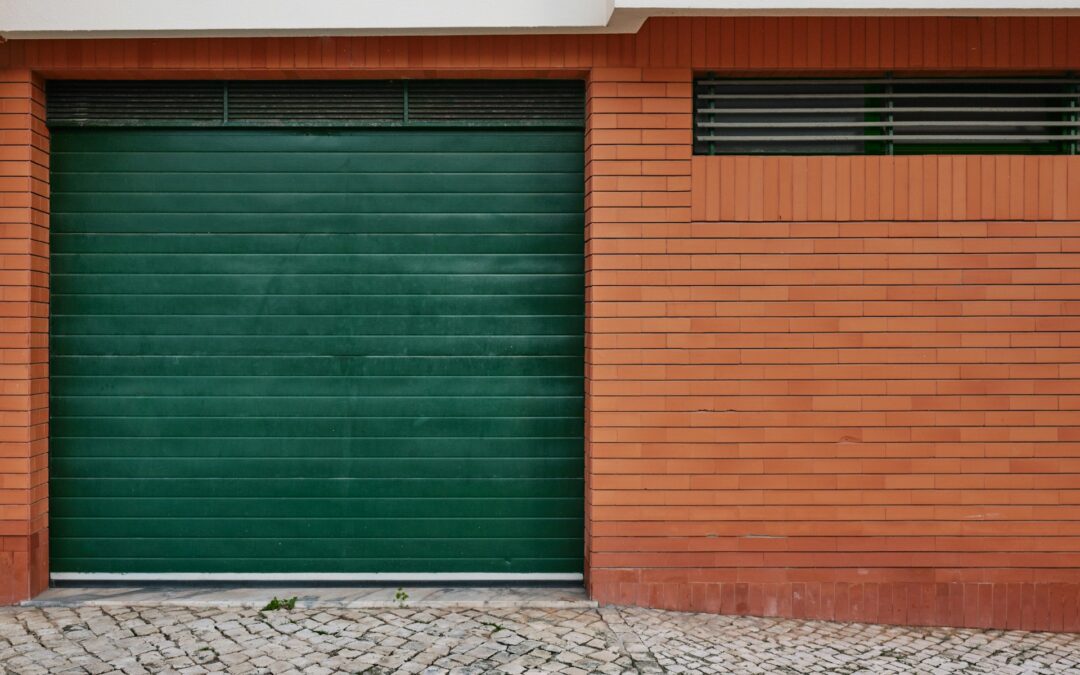
Commercial garage doors do more than open and close. For businesses, they’re part of what keeps things moving, safe, and on schedule, especially in the dead of winter. When the weather turns cold in places like Langley, Surrey, and Vancouver, a door that jams or leaks heat can start cutting into time and money. A proper commercial garage door installation doesn’t just help avoid delays; it supports the daily flow of operations. From choosing the door to finishing the job, there’s more to it than simply setting panels into the wall.
Choosing the Right Type for Your Business Needs
Not every garage door fits every business. Some businesses operate in tight spaces with little room for wide swings or oversized hardware. Others run through dozens of open-close cycles a day and need door systems that can handle regular use without wearing down too fast.
• Overhead sectional doors are common and flexible, often used in warehouses or delivery areas
• Roll-up doors tuck above the frame, making them useful for places with height issues or tight clearances
• Full-view aluminum doors have glass panels and are often used in commercial showrooms or design-forward buildings
During colder months, insulation makes a big difference. We always look at whether the door needs to keep heat inside, block wind, or prevent damp air from creeping in. Door material matters too. Metal doors are more durable but can transfer cold faster without proper backing, while insulated panels help conserve energy. For businesses in Greater Vancouver, where winter brings rain, ice, and low temps, that kind of decision matters more than it might seem at first. We supply and install a full range of insulated commercial doors and offer custom solutions to match heavy-duty or aesthetic requirements.
A garage door’s hardware also deserves attention. If your site sees a lot of vehicle movement or has special delivery timing, certain door types or automatic options can help reduce the chance of slowdowns. We consider if added windows will help with natural light, whether weather-sealed tracks can keep water out, and which finishes best stand up to salt, cold, and long-term use. Sometimes small features, like a different track layout or extra windows, will improve daily routines while making future maintenance easier.
What to Know Before the Job Starts
Before any installation begins, a bit of planning helps things go smoother. Every city has rules, and commercial spaces face more strict ones than homes. We always check the building codes first, especially for fire access or clearance requirements.
Some of the big questions we ask include:
• Is there enough ceiling space for the chosen door type?
• Are there beams, ductwork, or hanging lights nearby that could get in the way?
• Can heavy equipment be moved in or out around the job zone in winter?
In places like Langley or Surrey, winter can complicate access. Snow or wet ground might make it hard to bring gear close to the building. Having that sorted early means we’re not troubleshooting in freezing wind halfway through the job. Safety planning must go deeper on commercial sites, since multiple people might be working near the install spot at once.
We also look at existing electrical setups for openers, making sure power is available before we start. Double-checking the floor space prevents tripping and ensures the new door fits right. Clear communication with you and anyone who’ll use the space keeps surprises to a minimum. If there are time restrictions or busy delivery hours, we plan to avoid them so work wraps up smoothly with minimal interruptions.
Installation Day: What to Expect
A well-prepped job site makes installation day easier. The process typically has a few clear steps: removing the old door, prepping the frame and tracks, then lifting and setting the new door sections. But winter can bring surprises. If the ground is frozen or slippery, moving equipment takes longer. If the wind kicks up, lifting heavy panels gets tricky. Most delays happen when bad weather blocks access or slows down handling around the loading zone.
We always ask for a clear staging area, somewhere we can keep tools dry and move safely no matter what the temperature does. Access to inside power and cover from snow or heavy rain can change a messy job into a clean one. For colder days, we plan around fewer daylight hours too, keeping the process steady and safe from beginning to end. We use only certified technicians for every installation, ensuring the highest standard of service and safety from start to finish.
As we work, we keep a close watch on the alignment so the door runs smooth as soon as it’s in place. After the panels are set and the opener is wired in, we do a test run, checking seals, sensors, and hardware. Making final tweaks on-site means you’re not left dealing with odd noises or a door that stutters on the first real cold morning. As part of our routine, we guide you through the new system so you know exactly how your door works and where to look for any future hiccups during winter.
How to Avoid Problems After Installation
Once the door is in place and running, it still needs some attention. Cold weather can stress the system early on if small problems get overlooked. The best approach is to start light, regular upkeep right away.
• Wipe away salt or slush near the bottom seal to avoid erosion
• Keep guides and sensors dry and aligned to prevent false stops
• Use cold-rated lubricants to stop hinges or rollers from stiffening
If anything seems off, like the door opens slower in the morning than later in the day, that might be a sign something isn’t quite sitting right. A small alignment shift or loose screw can lead to bigger breakdowns fast in freezing conditions. Good setup from the start limits those risks and prevents wasted energy from doors not sealing fully against winter air.
Paying attention to weatherstripping makes a big difference too. Even new doors can have gaps if the floor isn’t level. We recommend watching for drafts and pressing the seal every so often to make sure it’s still making a tight fit. It’s also helpful to clear snow and ice from the door’s path before opening, as built-up snow can block sensors or force the door to work harder, which can shorten its lifespan.
Schedule a routine check-up as seasons change. Simple tune-ups keep all the moving parts working and help catch signs of wear early. A quiet, steady commercial garage door is a sign that the right steps were taken from the start, from materials to close-out checks, and it means less stress during the season’s coldest weeks.
Built to Last Through Any Season
Every successful commercial garage door installation begins with smart choices. Finding the right door style, checking the space, and planning for winter delays all lead to better results. That kind of care doesn’t just matter for now; it helps a door last longer and perform better through all seasons.
In Greater Vancouver, winter weather reminds us that small mistakes show up fast when temperatures drop. Getting it right the first time means less stress later. When the job is done properly and the details are handled up front, a commercial door becomes just another part of how the business runs: quiet, steady, and built to hold up through cold months and beyond.
A door that runs smoothly in February will also be ready for spring’s wet days, showing that attention to winter challenges pays off through every season. That’s why we approach each installation aiming for function, energy savings, and safety year-round so you get the peace of mind that only solid work delivers.
Expert Installation for a Seamless Winter
Understanding what makes a proper commercial garage door installation last through all seasons is key, especially with how quickly winter in Langley, Surrey, and Vancouver can reveal weak spots around seals and moving parts. The right fit and proactive maintenance keep your garage secure and functional no matter the weather. At The Door Ace, we make sure no detail gets missed. Call us today to get started.