
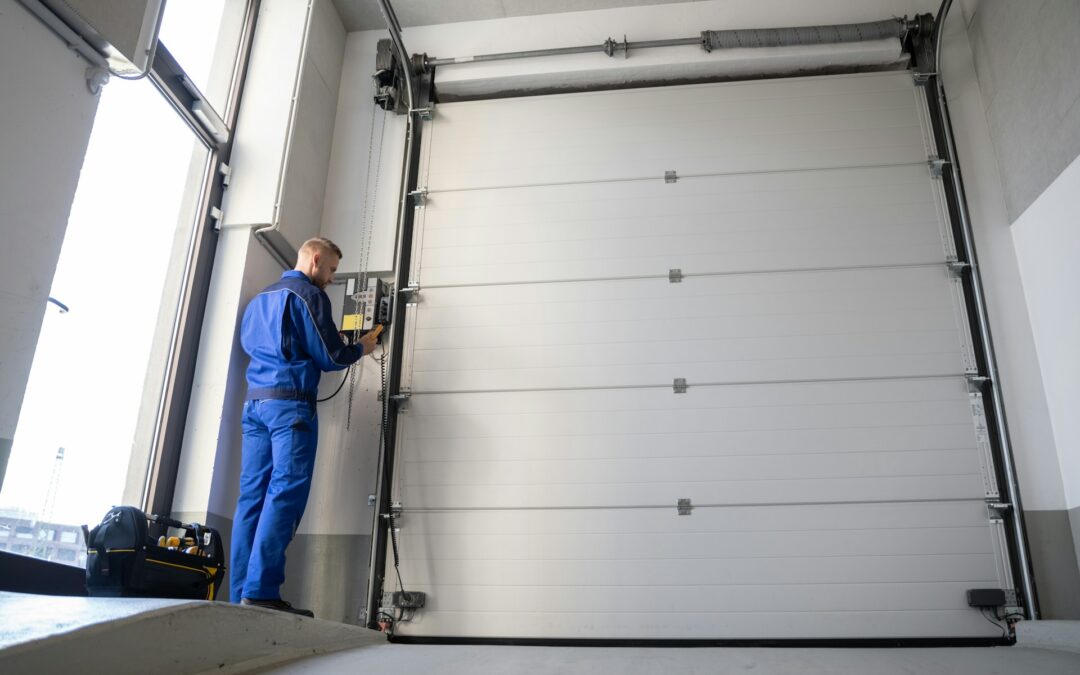
When the temperature drops below freezing and the ground starts to harden overnight, a broken garage door can quickly cause more than just frustration. Cold weather doesn’t just test your patience, it puts pressure on the moving parts of your garage door system.
In places like Langley and Surrey where winter mornings are icy and damp, garage doors are more likely to freeze, jam, or stop working entirely. These aren’t just one-off problems. Cold temperatures can highlight issues that go unnoticed during mild weather. Knowing what those problems look like and how they behave when it’s cold out can help keep your garage door from giving out completely.
Instead of relying on quick tricks or waiting for spring, it’s smarter to get to the heart of what’s going wrong. Here’s what we see most often when garage doors break down in cold weather and what usually needs to happen next.
Why Cold Makes Garage Doors Act Up
Cold temperatures trigger a chain reaction across the different parts of a garage door system. A simple shift in the weather can make a working door slow down, jam, or stop mid-move.
• Metal contracts when it gets cold, which causes tracks, springs, and hinges to tighten. This makes opening and closing more difficult and often noisy.
• Moisture from overnight frost or freezing rain can turn to ice and block or slow the rollers, tracks, or even the photo sensors.
• Grease inside the motor or along the moving parts can thicken in the cold, forcing an overworked opener to push twice as hard.
Older doors and openers, especially those that haven’t had a tune-up lately, tend to show signs of trouble first. If your door groans every time it moves or lags mid-way, the cold might be affecting more than just the surface.
Hidden Signs Something’s Wrong
Sometimes the signs of a problem aren’t obvious. A door might still open, but not the way it should. Noises, slow movement, and strange behaviour are worth watching, especially during a cold snap.
• A half-open door that jerks or grinds might signal a worn or under-strain spring.
• If your garage door used to glide but now sags when it moves, there might be a stretched cable or unbalanced system.
• A working opener that suddenly ignores the wall switch or remote, especially if the batteries are new, could mean electrical issues or cold-slowed motor parts.
Any of these are a reason to stop using the door and have someone assess what’s going on. Pushing through can take a small issue and turn it into full failure.
Why Quick Fixes Usually Don’t Work in Cold Weather
When the garage door refuses to budge and it’s freezing out, it’s tempting to try something. But quick fixes often do more harm than good, especially during winter.
• Pulling the manual release to force the door up might lead to a snapped cable if frozen parts are already under pressure.
• Some people try heating up sensors or locks with a blow dryer or pouring de-icer on wheels, which might help in the moment but doesn’t stop it from happening again.
• Spraying extra lubricant often feels like the go-to option, but many products thicken when it’s cold. That can gum up moving parts and actually slow things down.
Temporary tricks might get the door open for now, but once the temperatures drop again, the same problem will likely come back, often worse. Without addressing the root cause, those fixes don’t stick.
How Pros Handle Winter Garage Door Breakdowns
When a garage door fails in cold weather, our professional technician doesn’t just focus on the part that isn’t moving. We look at how the system works as a whole. That approach makes the difference in long-term repairs.
• Our certified technicians inspect springs, rollers, sensors, and opener systems to identify whether cold or genuine damage is causing the issue.
• We use industry-approved low-temperature lubricants designed for harsh conditions so that parts keep moving freely.
• System checks also include examining garage door safety sensors and recalibrating if ice or condensation disrupts alignment.
Professional repair means the entire system is evaluated for performance and safety, preventing problems from recurring when temperatures drop again.
When It’s Time to Replace Instead of Repair
Not every winter garage door problem can be solved with a repair. Some issues come back every winter, and after enough of them, it’s smarter to look at a replacement.
• Doors older than 15 years usually have wear that shows up most clearly in cold conditions.
• Wood doors in particular tend to crack, swell, or warp after several freeze-and-thaw cycles. Once that happens, the door often doesn’t sit properly in its frame.
• If the garage door breaks down several times each winter, it likely points to more than one failing part. That’s commonly a sign that the whole door system is wearing out.
Replacing your door with a modern insulated model, available in a range of styles through The Door Ace, can improve durability and energy efficiency for homes in the Greater Vancouver area.
Prevent Cold Weather Failures With Local Expertise
Cold weather doesn’t just break garage doors out of the blue, it reveals what’s already slipping. A broken garage door in January often has signs that built up starting in late fall.
If your garage door starts to hesitate, grind, or sag, that’s not something to wait on. Addressing early warning signs with one of our certified technicians prevents bigger issues, like being unable to open the door when you need it most.
Book Fast, Reliable Garage Door Repairs in Vancouver
Cold weather gradually wears down garage door parts until something suddenly fails. Noticing slow movement, strange noises, or a door refusing to budge may mean something more than just cold is involved. Throughout Vancouver and the Greater Vancouver area, our certified pros at The Door Ace provide same-day and emergency garage door repair, maintenance, and installation for homeowners and businesses. If you have a broken garage door, The Door Ace can get it working again, call today to book your repair.