
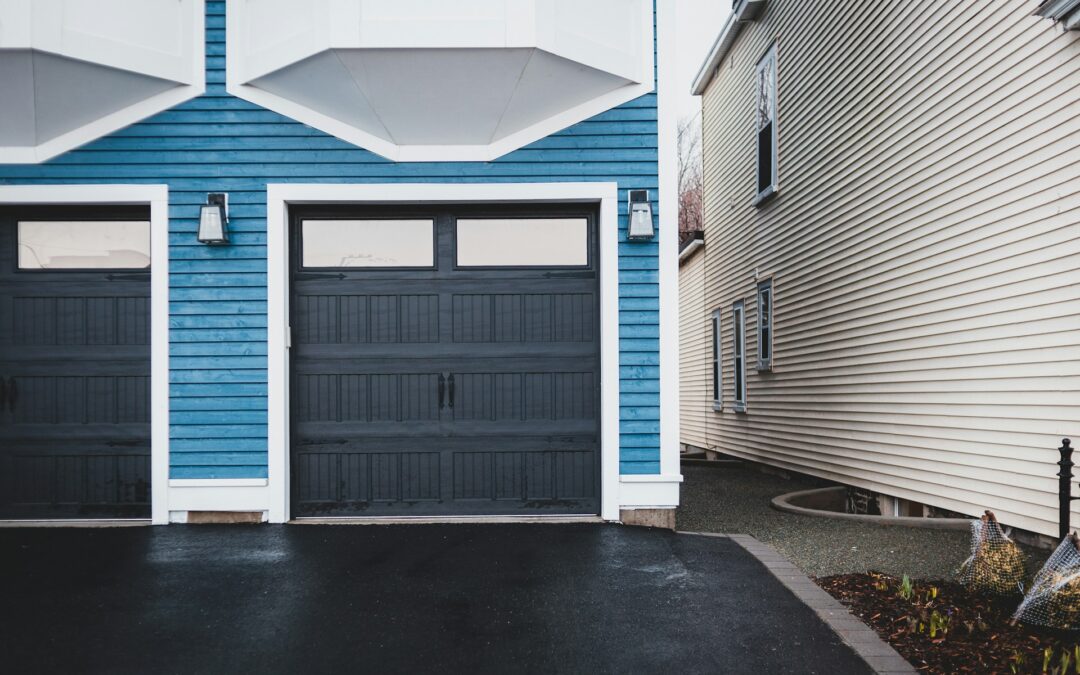
Garage doors do a lot more than just open and close. For homeowners across Surrey, Langley, and Vancouver, they’re a big part of daily routines—keeping cars safe, storing tools, and letting you get in and out quickly, even in wet or cold weather. But when things go wrong, like a spring snapping, everything grinds to a halt. A garage door with a broken spring doesn’t just mean you can’t use the door. It can leave you stuck inside or outside and, over time, affect other parts of your system if left unchecked.
The springs play a key role in how smoothly your door lifts and lowers. You might not see them when you’re using the opener, but the springs are doing most of the work behind the scenes. Without them, your garage door becomes heavy and unbalanced, and in some cases, unsafe to move. This becomes a real problem during winter in places like Surrey and Vancouver, where colder temperatures can push garage components to their limit. Knowing what to do and acting fast can save you time, money, and stress.
Understanding The Importance Of Functional Garage Door Springs
Most homeowners don’t think about their garage door springs until they break. These springs carry the weight of the door, working with the opener to lift and lower it safely and steadily. Whether you have a torsion spring or extension spring system, the main job is to counterbalance the door’s weight so that it can be moved with minimal effort.
When one of these springs fails, the strain shifts to other components, like the opener and cables. In some cases, the added tension can cause these parts to wear out ahead of time. A broken spring can also cause the door to slam shut or hang unevenly, which isn’t just frustrating, it can be dangerous.
Think of the spring as similar to the suspension in your car. It doesn’t move the car forward but makes the ride smoother. Without it, everything feels heavier, and every bump becomes a problem. A broken spring throws your garage door system off balance, turning a reliable part of your home into a safety risk.
Spring failures often show up without warning. One day the system works fine, and the next, the door won’t open. Springs wear at different speeds depending on the weather, how often the door’s used, and how well it’s maintained. Recognizing early signs can stop a simple fix from snowballing into a major repair—especially in colder months when smooth operation matters most.
Signs Your Garage Door Spring Is Broken
You don’t always hear the spring snap, but once it breaks, the signs usually aren’t hard to spot. Catching them early helps avoid more damage to your garage door system.
Common signs that your garage door spring might be broken:
– The door won’t open, or only opens a small amount before stopping
– Lifting the door manually feels heavier than usual
– The opener sounds like it’s working, but the door doesn’t move
– A loud bang came from the garage with no clear cause
– The door wobbles or shakes as it moves
– The top of the door bends when trying to open it
– Cables appear loose or have come off the pulley
If it’s safe to look, you might notice visible signs on the spring. Torsion springs are mounted horizontally above the door and may show a gap where the break occurred. Extension springs, which are placed on either side of the track, could look stretched out or may hang loosely.
Spring problems might not seem urgent at first, but delaying repairs often leads to bigger problems. One Surrey homeowner kept using their opener after feeling increased resistance. Within days, the motor’s gear burned out, cables twisted, and the door track bent out of shape. What started with a bad spring became a full system repair.
Spotting these symptoms early is especially helpful in winter. The cold can slow response times from metal parts and increase your chances of further breakage. If your garage starts acting up, stop using it right away and plan your next step.
Immediate Steps To Take When A Spring Breaks
Once you realize the spring is likely broken, your next steps are all about safety. Garage doors are heavy, especially without the spring holding the weight. Trying to force it open can lead to injury or more damage.
Here’s what to do:
1. Stop using the door
Avoid opening or closing the garage door, especially using the automatic opener. It may cause bigger issues with the motor or cables.
2. Unplug the garage door opener
Cut power to the opener to prevent someone else from operating it by mistake. Don’t pull the manual release unless you’re sure the door won’t fall.
3. Step back and inspect from a distance
Look for visual damage like a snapped spring or sagging cables. But do not attempt to move, touch, or adjust any of the parts.
4. Stay away from DIY fixes
Garage door springs are wound tightly and can be dangerous to handle without proper training. It’s not worth the risk of injury or added repair costs.
5. Keep entryways clear
If the garage is your main entry point, make sure there’s another way to get inside your home. Avoid lifting the door unless you’re sure it’s secure.
Acting quickly can mean the difference between a minor repair and a much larger headache. Waiting or trying to fix it yourself puts stress on the rest of your system, which could make things worse.
Why Professional Repair Is Necessary
Fixing a garage door spring isn’t a do-it-yourself kind of job. These parts hold a lot of tension. If they’re handled wrong or the tension is released suddenly, it can snap back with force. That can lead to serious injuries or property damage.
Even if you feel confident with tools, without the right training and experience, things can go sideways quickly. A common mistake is installing a spring that’s the wrong size for the door’s weight or not setting the correct tension. That can lead to other parts breaking or the door refusing to move at all.
A certified technician knows how to inspect the entire system, not just the spring. They’ll check the cables, opener, rollers, and alignment. They’ll also make sure everything is running smoothly before they leave. This way, you’re not just getting a quick fix—you’re getting a full reset that helps prevent future breakdowns.
This is especially true in cold months across Langley, Surrey, and Vancouver, where low temperatures can cause metals to contract and become more brittle. A balanced, well-maintained door system is less likely to give out when temperatures drop.
Maintaining Your Garage Door To Prevent Future Issues
Keeping your garage door system in good shape doesn’t take much time. By checking a few things seasonally and staying aware of strange sounds or motion, you can get ahead of most spring problems.
Here are easy ways to care for your garage door:
– Open and close the door a few times a week. Listen for any grinding, squeaking, or sluggish movement
– Take a few minutes once a season to look over the springs, cables, and tracks. Rust, fraying, or bending means it’s time to bring someone in
– Watch how the door moves. If one side starts to lift faster or drop lower, it could mean the spring is under unequal pressure
– During winter in places like Vancouver and Surrey, wipe down areas where salt, water, or slush collect. This helps prevent rust
– Avoid spraying oil directly onto door springs. If lubrication is needed, a technician can apply the correct product
Homes where the garage is the main entryway often see more door use, which leads to faster wear. Checking in on it once a season or during routine chores keeps spring tension at healthy levels and your setup working longer.
What You Can Do to Keep Things Running Smoothly
When a spring breaks, things can unravel quickly. The balance of your garage door gets thrown off, cables get strained, and the opener can burn out if pushed. The best way to avoid all this is to act fast, stop using the door, and contact someone trained to fix it.
For homeowners in Langley, Surrey, or Vancouver, catching garage door issues before they spin out of control saves stress and money. Winter weather only adds to the pressure, with frozen parts more likely to snap or stick. Having a technician restore the system means you can rely on your garage again without wondering if it’ll jam the next time you head out.
So whether you hear a loud snap, the door won’t move, or something just doesn’t feel right, don’t push your luck. Let a professional take it from there. A quick service call could make things right—and keep the rest of your door system working safely year-round.
If you’re dealing with a garage door with a broken spring, it’s important to address the issue promptly for your safety and convenience. At The Door Ace, we understand the frustration that comes with garage door troubles. Our team is here to restore function and peace of mind while making sure your home in Surrey stays safe and accessible.